 Project Fortis
01
Presumption of Competence
We begin by assuming intellect, agency, and a rich inner life — and design every interaction around it.
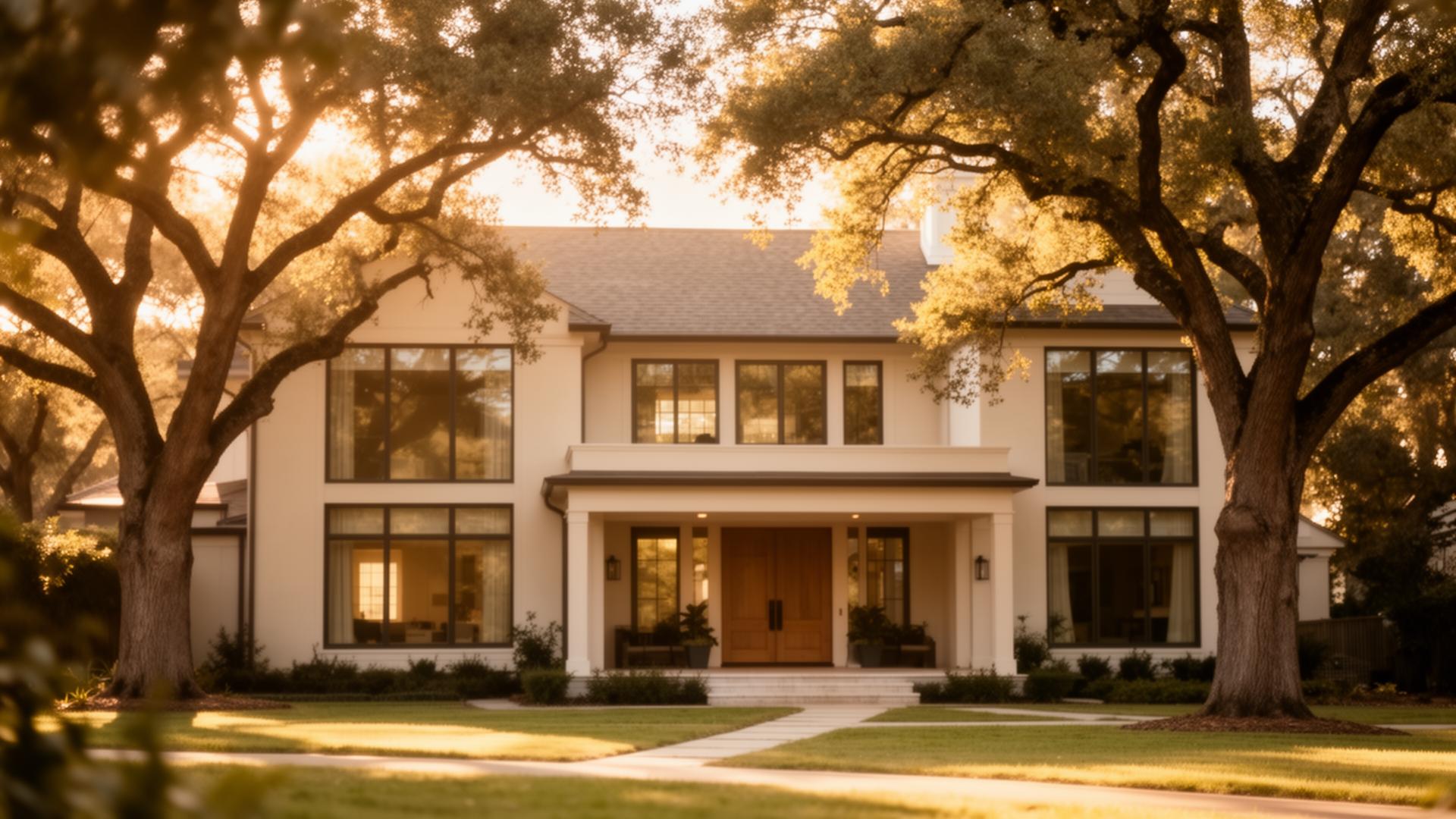
A nonprofit residential initiative
Project Fortis Inc. is a 501c3 non-profit that researches and shares best practices around supporting people with non-speaking autism and creates day and residential programs designed around the presumption of competence, communication access, and community.
A simple premise
01 — Our belief
Individuals with high support needs deserve a full, enriching life — not a waiting list, not a warehouse, not a one-size program that was never built for them.
A growing population of non-speaking autistic adults with high intellectual capacity has zero access to high-quality residential programming. They are hidden inside a category that was never built to see them.
A world-class shared-living model — small, well-staffed homes and world-class day programming built on the best evidence we have about communication, behavior, and dignity.
02 — Why this exists
James is seventeen — exceptionally smart, curious, and adventurous. He has non-speaking autism. He communicates by typing slowly with one finger and by touching letters on a laminated letterboard.
His body often doesn’t do what his mind wants it to. He tests in the 90th percentile on academic aptitude exams. He also requires 24/7 care for his health and safety. He is kind, funny, and wise. He loves running, biking, skiing, basketball, art history, and reading.
In three years, James will age out of the K-12 special education system. In ten years of searching, his family has not found a single program built for someone like him.
“Every recommendation ended the same way: the school won’t accept him, or the school won’t challenge him.”
03 — The case for change
Autism is treated as a single, homogenous category. It isn’t. The DSM defines three levels of support need — but says nothing about intellectual capacity. A growing population of adults need very substantial support and have above-average intellect. The ecosystem was not designed for them.
“Autistic people with higher IQs are more likely overlooked and may be missing out on services that would benefit them.”— Spectrum research, 2023
04 — A vision of excellence
Drawn from a year of research with families, providers, and the few programs doing this work well. Each pillar is a non-negotiable.
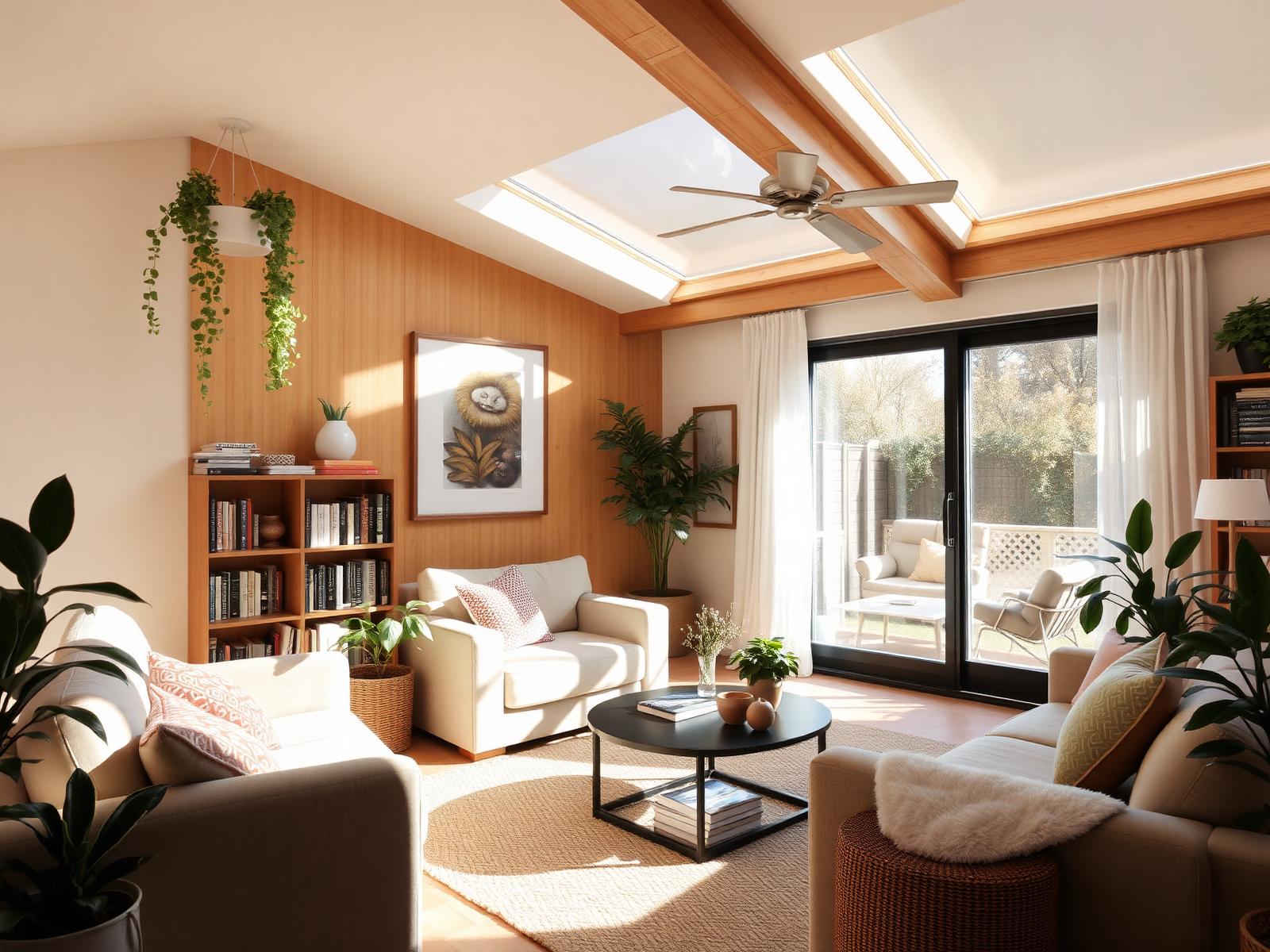
We begin by assuming intellect, agency, and a rich inner life — and design every interaction around it.
Residents communicate using the methods that work for them — letterboards, spelling, AAC — supported by trained practitioners.
A team prepared to meet complex behavior needs with skill, patience, and dignity — not exclusion.
Academics, art, sport, nature, community. A real life, not a holding pattern.
Recruited, trained, and retained. The people are the program. Work at Fortis is deep, professional work not a low-wage stepping stone.
Built to outlast founders, funding cycles, and parents — a home for the next forty years, not the next four.
A capital plan that protects residents from market shocks and policy whiplash.
Designed so a family's wealth doesn't determine a resident's quality of life.
Sited for connection — to community, to nature, to the services residents rely on. The plan is for our first homes to be in New York state where we can access the best of the city (museums, Broadway, sports, concerts) with the best of the country (gardening, biking, hiking, skiing).
05 — Our roadmap
Visit programs, interview families and providers, define excellence. Build the founding team and governance.
Stand up communication and behavior training. Pilot day programming with a small founding cohort.
Acquire and prepare the first shared home. Welcome the founding residents into a fully supported life. Start small, build excellence, create replicable systems.
Refine the model, secure long-term funding, and scale to multiple houses and locations. Share what we learn so others can build, too.
06 — Governance
The Fortis board consists of professionals experienced in building and scaling organizations and supporting the educational, emotional, and physical needs of young adults. The board also has several parents of young people with non-speaking autism.
President
Education Consultant, Former Education Non-Profit CMO
Treasurer
Strategic Engagement Manager at Akamai Technologies
Secretary
Psychiatrist
Join us
We’re looking for partners, funders, providers, and families. If any part of this story is familiar — or if you can help move it forward — we’d like to hear from you.
Send us a note and we’ll share the full deck and current planning materials.
Fill out our contact formRead the case again